
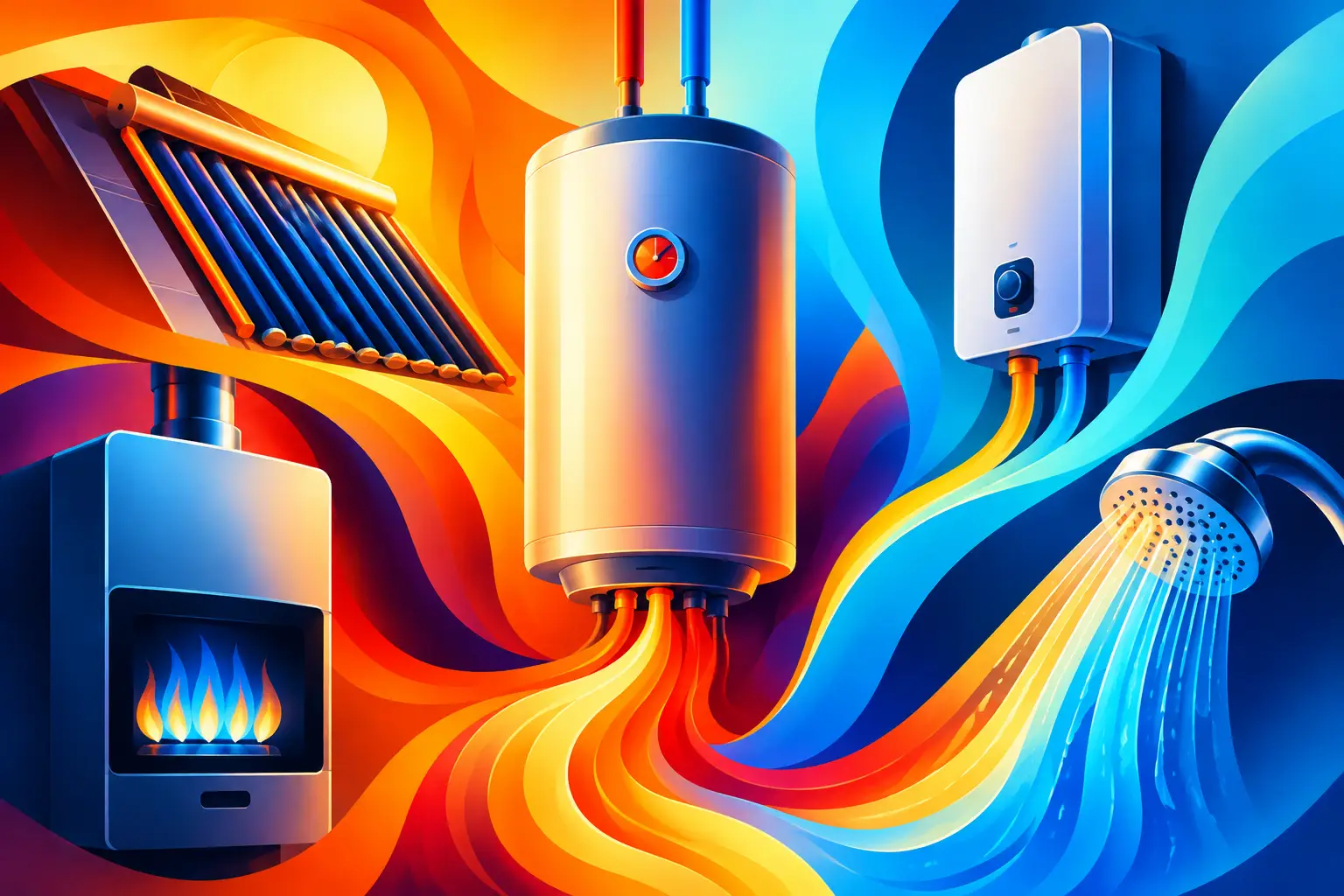
A hot shower, clean dishes and a warm kitchen tap all depend on one thing working properly: your hot water system. The best ways to heat water are not identical for every home. The right choice depends on your household’s demand, existing heating setup, available space, budget and plans for lowering energy use over time.
For many homes, a modern gas boiler remains the most practical answer. For others, an air source heat pump, solar PV and battery storage, or a carefully designed cylinder system can offer a stronger long-term fit. What matters is choosing a system that supplies reliable hot water when you need it, without paying more than necessary to do so.
Best ways to heat water: start with how you use it
Before comparing technologies, consider your everyday routine. A one-bedroom flat with one occupant has very different needs from a family home where two showers may run while the washing machine is on.
Think about how many bathrooms you have, whether you prefer baths or showers, how often people are at home during the day, and whether hot water demand happens all at once. Also consider the age and insulation of the property. A well-planned system should meet peak demand comfortably rather than merely coping on an average day.
It is also worth separating space heating from water heating in your thinking. Some systems do both through one appliance, while others use different energy sources or controls. This can make a meaningful difference to running costs and the level of comfort you experience throughout the year.
A modern gas boiler: dependable and familiar
For homes connected to the gas network, a high-efficiency condensing boiler is often one of the most effective ways to heat water. Modern boilers recover heat that older models would lose through the flue, making them far more efficient than ageing non-condensing units.
A combi boiler heats water on demand. There is no hot water cylinder, so it can be an excellent option for smaller properties, homes with limited airing-cupboard space, and households with modest simultaneous demand. You only heat the water you use, which avoids standing heat losses from stored hot water.
The trade-off is flow rate. A combi may struggle to provide strong hot water at two outlets at the same time, particularly where incoming mains pressure is low. If one person is showering while another fills a bath or runs a tap downstairs, performance can be affected.
A system boiler with an unvented hot water cylinder stores heated water ready for use. This arrangement generally suits larger households better, particularly those with multiple bathrooms. It can provide a more consistent supply at several outlets, but it needs dedicated space and the cylinder will require proper installation, safety controls and periodic servicing.
Replacing an old, unreliable boiler with a correctly sized modern model can improve comfort quickly. However, boiler efficiency is not just about the appliance itself. Controls, correct pipe sizing, system cleanliness and a well-balanced heating system all influence real-world performance.
When a boiler is likely to be the right fit
A boiler can be the sensible choice if you need a straightforward replacement, have access to mains gas, want strong hot water delivery without major changes to your home, or require a solution that works well with your current radiators and pipework. It remains a proven option, especially where a household needs hot water at short notice.
Air source heat pumps: efficient hot water with a different approach
An air source heat pump takes low-level heat from outside air and uses electricity to raise it to a useful temperature for heating and hot water. Rather than generating all the heat directly, it moves heat, which is why it can be highly efficient when designed and installed correctly.
Heat pumps usually work with a hot water cylinder. They heat stored water gradually, often at lower flow temperatures than a boiler, so good system design is essential. The cylinder needs to be sized around the household, and the controls should be programmed to heat water when it is most useful and economical.
For homeowners considering a move away from gas, a heat pump can be a strong long-term option. It is particularly attractive in well-insulated homes with suitable space for the indoor cylinder and outdoor unit. It can also work very effectively alongside solar PV, allowing you to use some of your own generated electricity to support hot water production.
There are compromises to understand. A heat pump is not a direct like-for-like boiler swap, and it should not be treated as one. Some homes need radiator upgrades, insulation improvements or changes to hot water storage before they will perform at their best. A detailed survey is far more valuable than a generic promise of savings.
Hot water temperatures and hygiene
Stored hot water systems need to be set up with safety and hygiene in mind. Heat pump systems commonly use programmed higher-temperature cycles to support this, sometimes with an electric immersion element assisting where appropriate. The exact settings should be specified by a qualified installer for your system rather than guessed at home.
Solar PV and battery storage: use more of your own electricity
Solar panels do not heat water directly unless paired with the right equipment, but they can reduce the electricity you buy to heat it. A solar PV system generates electricity during daylight hours, which can be used by appliances around the home, sent to a battery, or directed towards an immersion heater in a hot water cylinder through a compatible control device.
This approach is most useful for homes with a cylinder and regular daytime generation. Instead of exporting all surplus solar electricity, you can store some of that value as hot water for showers, washing up or evening use. It will not always cover your full hot water demand, especially in winter, but it can complement a boiler or heat pump well.
Battery storage adds flexibility. It can retain solar electricity for later use, helping to cover evening electrical demand or support hot water heating at more favourable times. Whether a battery is worthwhile depends on your consumption pattern, solar generation, tariff and wider energy goals. It should be assessed as part of the whole home rather than as an isolated purchase.
Solar thermal panels are another option. These panels use sunlight to heat a fluid that transfers heat into a cylinder. They can perform well, but they require suitable roof space, a compatible cylinder and careful consideration alongside solar PV. For many households, solar PV offers broader benefits because the electricity can also power other parts of the home.
Electric immersion heaters: useful support, not usually the cheapest main option
An immersion heater uses electricity to heat water inside a cylinder. It is simple, reliable and commonly used as a backup heat source for a boiler or heat pump system. It can also make good use of surplus solar generation.
Used on standard-rate electricity as the primary way to heat a full cylinder, however, an immersion heater is often more expensive to run than gas or a well-designed heat pump. It converts electricity to heat effectively, but electricity usually costs more per unit than gas, and it does not multiply heat in the way a heat pump can.
That does not make immersions a poor choice. They are valuable for resilience, can provide hot water if the boiler is temporarily unavailable, and may be cost-effective on certain smart or off-peak tariffs. The key is having controls that heat water at the right time, rather than leaving the immersion on unnecessarily.
The system design matters as much as the heat source
The most efficient appliance can still disappoint if the wider system is poorly designed. An oversized boiler may cycle too frequently. An undersized cylinder may leave a busy household without enough hot water. Long pipe runs can waste both water and heat while you wait at the tap.
Good controls make a noticeable difference. Timers, thermostats and smart controls allow hot water to be available around your routine without heating a cylinder for longer than needed. A professional installer can also advise on cylinder insulation, thermostatic mixing valves, water pressure and whether your current pipework supports the performance you expect.
Maintenance protects efficiency and reliability too. Annual boiler servicing helps identify developing faults early, while heat pump servicing and system checks help keep performance on track. If you have a cylinder, its safety components should be inspected as part of planned care.
Choosing with confidence
There is no single winner among the best ways to heat water. A modern boiler may be ideal for a quick, dependable upgrade. A heat pump and cylinder can suit a home preparing for lower-carbon heating. Solar PV, battery storage and an immersion can add another layer of control over electricity use.
The best answer is a system designed around your property and the people living in it. For homeowners across Hampshire, Wiltshire, West Sussex and Dorset, Gas Worx Southampton can assess the practical details, explain the options in plain English and help you choose a solution built for lasting comfort. Your hot water should be one less thing to think about each day.
Want advice for your own home? Speak to one of our experts, it’s free and there’s no obligation.
Speak to an expertMore from the blog

Choosing Solar Installers in Dorset for Your Home
Compare solar installers in Dorset with confidence. Learn what a sound survey, clear design, credible guarantees and thoughtful aftercare should include.
Read More
Solar Panel Payback for UK Homes Explained
Understand solar panel payback for your UK home, from installation costs and export payments to battery storage, roof suitability and realistic savings.
Read More
Home Solar Panel Guide for Smarter South Coast Homes
Our home solar panel guide explains costs, roof suitability, batteries and payback, so you can plan a reliable system for your household with confidence.
Read More