

A heat pump is at its most valuable when it delivers steady, affordable warmth on a cold January morning. That is also when your solar panels produce the least electricity. So, can solar power heat pumps? Yes, but the best answer is not a simple yes or no. Solar PV can reduce the electricity a heat pump draws from the grid, particularly across spring, summer and autumn, but a well-designed home will still need grid electricity during darker winter periods.
For homeowners considering lower bills and lower-carbon heating, solar and a heat pump can be an excellent partnership. The key is to design the whole system around your property, your heating habits and how you use hot water, rather than expecting panels alone to run your heating all year.
How solar panels and heat pumps work together
Solar photovoltaic panels turn daylight into electricity. An air source heat pump uses electricity to take low-grade heat from outdoor air and move it indoors for heating and hot water. Unlike an electric heater, it does not create all its heat directly from electricity. For every unit of electricity used, a suitably specified heat pump can typically deliver several units of heat.
When your panels are generating and the heat pump is running, your home can use that solar electricity first. This reduces the amount you buy from the grid. Any unused solar generation may be exported, stored in a battery, or used to heat water if the system and controls are designed for it.
This is why the combination makes most sense as a whole-home energy plan. Solar generation, heat pump settings, cylinder capacity, radiator sizes, insulation and household routines all influence the result.
Can solar power heat pumps through the winter?
Solar can contribute to heat-pump running costs in winter, but it rarely covers them entirely in a typical UK home. Daylight hours are short, the sun sits lower in the sky and cloudy weather is common precisely when demand for heating is greatest. A heat pump also works harder in colder weather, although a correctly designed system should continue to heat your home reliably.
That does not make solar a poor investment. The panels can make a meaningful contribution over the year, while the heat pump offers efficient heating whenever the property needs it. During summer, solar electricity is particularly useful for producing domestic hot water, and generation can be far greater than your heating demand. In the milder months, there is often a better overlap between solar output and heating requirements.
It is more realistic to think of solar as reducing annual electricity purchases than as making a heat pump independent from the grid. Homes with very low heat demand, generous roof space and carefully managed usage will see a higher proportion of solar-powered heating than larger, leakier properties.
A battery helps, but it cannot store summer for winter
Battery storage can improve how much of your solar electricity you use at home. It can hold excess daytime generation for the evening, when heating, cooking and hot water use may increase. It may also allow you to charge on a suitable off-peak electricity tariff and use that energy later.
However, domestic batteries generally store hours of electricity, not months of it. They are useful for shifting solar power from day to night, but they cannot bank the surplus from July to heat a home in January. A battery should therefore be sized around your daily usage and tariff opportunities, not sold as a cure for the seasonal gap.
The controls matter as much as the equipment
A heat pump should not be treated like a boiler that is turned up and down sharply. It generally performs best when maintaining a stable indoor temperature and producing lower-temperature heating over longer periods. This is efficient, comfortable and often a good match for intelligent energy controls.
Smart controls can respond to solar generation, household demand, weather forecasts and electricity prices. For example, the system may prioritise heating your hot water cylinder while solar output is strong, or gently pre-warm the home when lower-cost electricity is available. The aim is not to let the home get cold while waiting for sunshine. It is to make sensible use of electricity without compromising comfort.
Your hot water cylinder is an important part of this arrangement. It provides a practical store for heat, allowing the heat pump to produce hot water when conditions are favourable rather than only at the moment a tap is opened. A suitably sized cylinder can also help absorb surplus solar generation, although this must be balanced against the heat pump's efficiency and your actual hot water needs.
Start with the property, not the solar panel count
The strongest solar and heat-pump installations begin with a proper assessment. Before choosing a panel array or heat pump output, an installer should understand how much heat your home loses, what radiators or underfloor heating you have, the condition of insulation, and how your household uses the space.
If a home loses heat quickly through poorly insulated walls, loft spaces, floors or draughts, a larger heating system and more electricity will be needed. Improving the building fabric may reduce the required heat-pump size and make every unit of solar electricity go further. It can also improve comfort by reducing cold spots and drafts.
Radiators deserve attention too. Heat pumps often operate at lower flow temperatures than older gas boiler systems. Some homes need larger radiators, while others already have adequate emitters. This should be established through room-by-room heat-loss calculations, not guesswork based on the existing boiler size.
Roof orientation, shading and usable roof area will shape what solar can deliver. A south-facing roof can generate strongly around midday, but east-west arrays can be very effective too, producing electricity over a broader part of the day. Trees, chimneys, dormers and neighbouring buildings all need to be considered before promises are made about output.
What savings should you expect?
Savings vary considerably. They depend on your existing heating fuel, the efficiency of your old system, your electricity tariff, solar generation, insulation, household occupancy and how the heat pump is controlled. Replacing an ageing electric heating system may produce a very different result from replacing a modern gas boiler.
The value of solar electricity is usually greatest when you use it yourself, because buying less electricity from the grid normally saves more than exporting surplus generation earns. A household that is home during the day, uses hot water regularly and can shift some demand to sunny periods may increase self-consumption. Batteries and smart controls can help, but they add upfront cost and should be assessed honestly.
Available government support for heat pumps can also affect the financial picture. Eligibility, funding levels and installation requirements can change, so it is worth checking the current position as part of a tailored quotation rather than relying on an old headline figure.
Common expectations to avoid
The most common mistake is expecting solar panels to remove winter heating bills altogether. The UK seasonal mismatch means this is unlikely without a very unusual property and a much larger energy system. A second mistake is installing a heat pump without addressing heat loss, radiator suitability or controls. The equipment may still work, but it may not deliver the comfort or running costs you expected.
It is also worth avoiding an oversized heat pump or an oversized battery chosen simply to sound future-proof. Bigger is not automatically better. Correct sizing supports efficient operation, sensible upfront cost and a system that suits your household for years to come.
Is a solar-powered heat pump right for your home?
For many properties across Hampshire, Wiltshire, West Sussex and Dorset, the answer is potentially yes, especially where homeowners are planning to stay long term and want to improve both comfort and energy resilience. The best candidates are not limited to new-build homes. Older homes can work very well when the design accounts for their construction, insulation and existing heating system.
A professional survey should leave you with clear answers: how much heat your home needs, what upgrades may be worthwhile, how much solar your roof can accommodate, and how the system is expected to operate in winter as well as summer. Gas Worx Southampton can help homeowners look at these decisions as one connected plan, with ongoing care after installation rather than a handover and goodbye.
The most useful next step is not to chase a promised percentage of solar-powered heating. Ask for a design that protects your comfort first, then uses solar, storage and smart controls to make each unit of energy work harder for your home.
Want advice for your own home? Speak to one of our experts, it’s free and there’s no obligation.
Speak to an expertMore from the blog

Boiler Error Codes: What They Mean and What to Do
Boiler error codes can feel alarming. Learn what common faults may mean, the safe checks you can make, and when to call a qualified local heating engineer.
Read More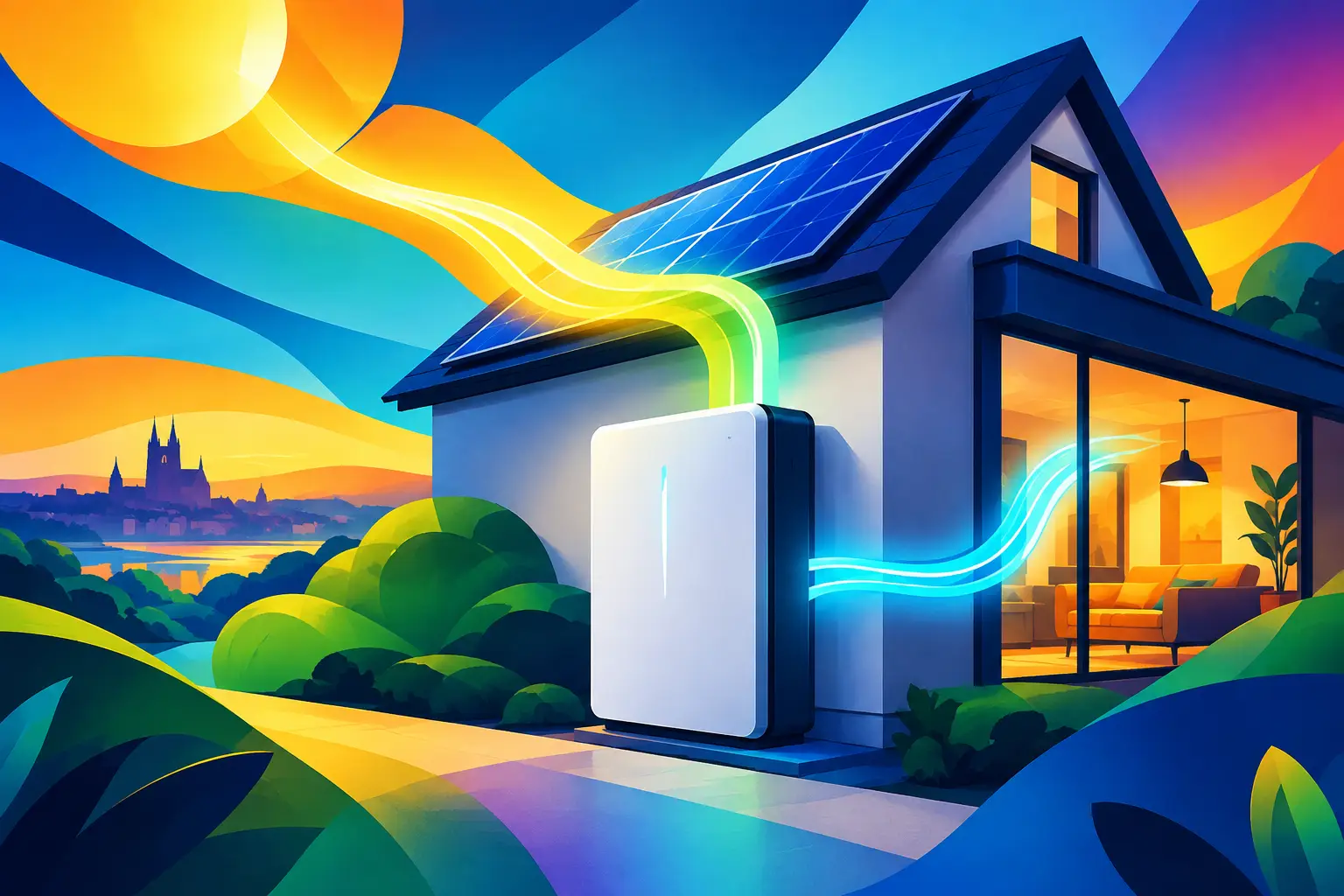
A Guide to Home Battery Storage for UK Homes
Our guide to home battery storage explains costs, sizing, solar savings and backup power, so you can choose a system that suits your home and routine.
Read More
Energy Efficient Home Upgrades That Pay Back
Plan energy efficient home upgrades that improve comfort, cut wasted energy and suit your property, from insulation and boilers to solar and heat pumps.
Read More