
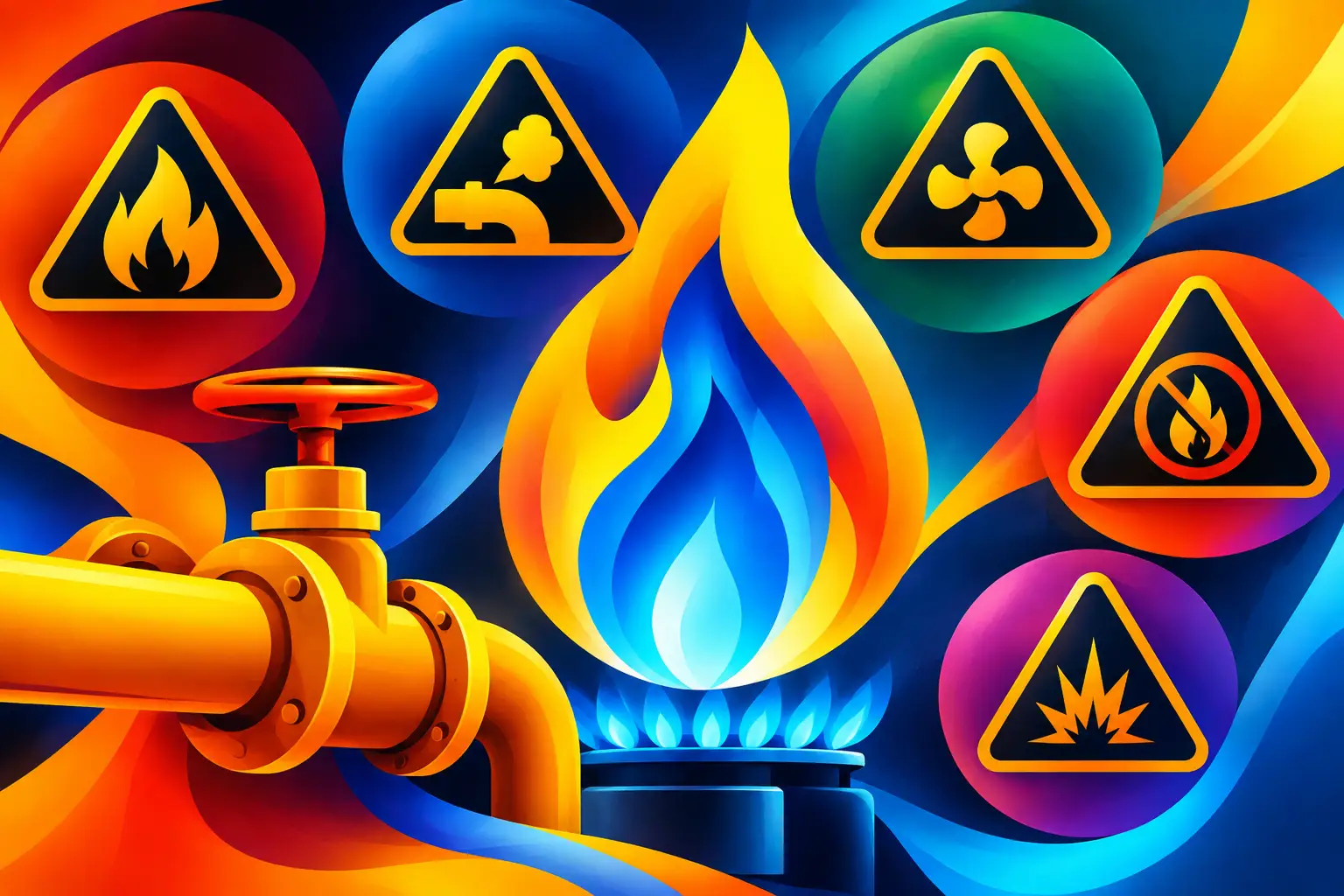
A boiler that takes longer to heat up, a pilot light that keeps going out, or an unexplained headache in the kitchen can be easy to dismiss on a busy day. Yet gas safety is one part of home maintenance where waiting to see if a problem settles can carry real risk. Knowing what to look for, and when to call a qualified engineer, helps protect your household, your property and your peace of mind.
Gas appliances are safe when they are correctly installed, properly ventilated and maintained by a Gas Safe registered engineer. The concern is not gas itself, but a fault, poor combustion, damaged flue or neglected appliance that is allowed to develop. A few sensible checks, paired with regular servicing, make a meaningful difference.
Gas safety starts before something goes wrong
Most gas safety issues do not begin with a dramatic failure. They often start with a component wearing out, a blocked air vent, a loose flue connection or an appliance that has not been checked for several years. Your boiler, gas fire and cooker work hard in the background, particularly through the heating season, so they deserve the same attention as any other essential part of the home.
An annual boiler service is one of the most practical steps a homeowner can take. During a service, a qualified engineer checks that the appliance is operating safely and efficiently, inspects key components, looks for signs of leaks or corrosion, and confirms that combustion and flue performance are as they should be. It can identify smaller faults before they leave you without heating or hot water at the worst possible time.
Annual servicing is particularly worthwhile for older boilers, homes with a gas fire, or properties where the heating has become unreliable. A newer boiler still needs servicing too. Manufacturer warranties commonly require it, but more importantly, age alone is not the only cause of a problem. Installation conditions, usage and ventilation all matter.
1. A smell of gas
Mains gas has a distinctive sulphur-like smell added to it, often compared with rotten eggs. If you notice it, do not assume it is coming from the cooker or that it will disappear on its own. Even a faint or occasional smell needs proper investigation.
A smell may be more noticeable around a meter, boiler, pipework or appliance connection. It could indicate a leak, but you should never try to locate one yourself using a naked flame, nor attempt a repair. Treat it as an urgent issue and follow the emergency steps below.
2. Yellow or orange flames
A healthy gas flame is usually crisp and blue. Yellow or orange flames, soot marks around an appliance, or black staining on walls and ceilings can suggest incomplete combustion. This is a warning sign that should be checked by a Gas Safe registered engineer.
There are exceptions. Some decorative gas fires are designed to produce yellow flames, and many modern boilers have their flames enclosed, so you will not be able to see them. The point is not to diagnose the fault yourself. It is to recognise a visible change and arrange a professional inspection.
3. Pilot lights that keep going out
If an older appliance has a pilot light that repeatedly extinguishes, do not simply relight it again and again. The cause could be straightforward, but it may also relate to a faulty component, ventilation problem or flue issue. Repeatedly resetting a boiler after fault codes appear deserves the same response.
Your boiler manual may explain a safe, one-off reset. If the issue returns, stop there and book an engineer. Persistent faults are rarely solved by pressing the reset button more often.
4. Condensation, staining or damage near a flue
A flue removes combustion products safely from the property. Look out for unusual condensation, damp patches, discolouration, corrosion, loose sections or damage where a flue passes through a wall or roof. Birds' nests, leaves and building work can also affect external flue terminals.
Do not block or cover a flue terminal, even if it feels draughty or looks unsightly. Clear space around it and ask an engineer to inspect anything that appears damaged or altered.
5. Carbon monoxide alarm activation
Carbon monoxide is a colourless, odourless and tasteless gas produced when fuel does not burn completely. Unlike a natural gas leak, you cannot rely on smell to alert you. A working carbon monoxide alarm is therefore an essential safeguard in homes with fuel-burning appliances.
Fit audible carbon monoxide alarms in line with the manufacturer’s instructions, using models marked to the relevant British and European standard, such as BS EN 50291. Test them regularly, replace batteries where applicable and check the expiry date on the unit itself. Alarms do not last forever, even if they appear to be working.
If an alarm sounds, take it seriously. Move everyone into fresh air, avoid using the suspected appliance and seek urgent advice. Do not silence the alarm and carry on with your day without understanding why it activated.
6. Symptoms that improve when you leave the house
Headaches, dizziness, nausea, unusual tiredness, breathlessness and confusion can all be symptoms of carbon monoxide exposure. They can also be caused by common illnesses, which is why the pattern matters. If symptoms appear when an appliance is running and improve when you are outside or away from home, act immediately.
Get into fresh air, call 999 if anyone is seriously unwell, and do not use the appliance again until it has been checked. Children, older people, pregnant people and pets may be particularly vulnerable, so it is better to be cautious.
Keep ventilation clear and appliances accessible
Modern homes are often designed to retain heat, which is good for energy efficiency. But gas appliances still need the ventilation specified for their safe operation. Never block air bricks, permanent vents or grilles near boilers, fires and appliances. Closing them to stop a draught can create a more serious problem.
It also helps to keep the area around your boiler clear. Storing paint, cleaning products, laundry or household items in a boiler cupboard can restrict access for servicing and may affect ventilation requirements. A clear space makes inspection easier and helps an engineer spot problems quickly.
If you are renovating, installing kitchen units or converting a loft, tell your tradespeople where your gas meter, boiler and flues are located. Changes to boxing, ventilation routes, external walls or rooflines can affect an existing installation. Any work on gas appliances or pipework must be carried out by a suitably qualified Gas Safe registered engineer.
When gas safety becomes an emergency
If you smell gas, suspect a leak or hear gas escaping, act promptly but calmly. Do not use electrical switches, doorbells, phones or naked flames inside the property, as these could ignite leaked gas. Avoid smoking and do not start a car close to the building.
Take these steps if it is safe to do so:
- Turn off the gas supply at the emergency control valve by the gas meter.
- Open doors and windows to ventilate the property.
- Extinguish any naked flames, but do not operate electrical equipment.
- Leave the building and call the National Gas Emergency Service on 0800 111 999 from outside or from a neighbour’s home.
Do not re-enter the property or turn the gas back on until you have been told it is safe. If you rent your home, inform your landlord or managing agent as soon as possible, but do not wait for them before reporting a suspected gas escape.
For carbon monoxide concerns, the response is slightly different because there may be no smell. Turn off the suspected appliance only if you can do so safely, open windows and doors, get outside, and seek medical help for anyone affected. The appliance should remain off until a Gas Safe registered engineer has inspected it.
Choose qualified help, not a quick fix
When heating or hot water fails, it is understandable to want the fastest and cheapest solution. But gas work is not an area for DIY repairs or an unqualified handyman. Ask to see an engineer’s Gas Safe ID card and check that they are qualified for the specific type of work required, whether that is boilers, cookers, fires or gas pipework.
The right engineer will explain what they have found in plain language, outline the repair options and leave you with a clear record of the work carried out. For homeowners across the South Coast, Gas Worx Southampton provides ongoing servicing and responsive support designed to keep heating systems safe, efficient and dependable - not simply working until the next breakdown.
Make gas safety part of your annual routine
The simplest approach is to set one annual reminder for your boiler service and carbon monoxide alarm checks, ideally before the coldest weather arrives. While you are at it, take a quick look at external flues, confirm vents are clear and make sure everyone in the household knows what to do if they smell gas.
Your home should feel warm and comfortable without you having to worry about what is happening behind the boiler casing or beneath the kitchen worktop. A little attention now gives you the reassurance of knowing that, if something does not look, sound or feel right, you will act before a small concern becomes a serious one.
Want advice for your own home? Speak to one of our experts, it’s free and there’s no obligation.
Speak to an expertMore from the blog

Your Guide to Boiler Warranty Cover at Home
Our guide to boiler warranty cover explains what is protected, what can void cover and how servicing keeps your home warm, safe and worry-free throughout the year.
Read More
Central Heating Flushing Guide for Homeowners
Our central heating flushing guide explains the warning signs, methods and aftercare that protect radiators, boilers, warmth and efficiency at home too.
Read More
The Boiler Ban Timeline for UK Homeowners
Boiler ban timeline explained: what 2025 and 2035 plans mean for your gas boiler, replacement choices and heating upgrades in England for all homeowners.
Read More