
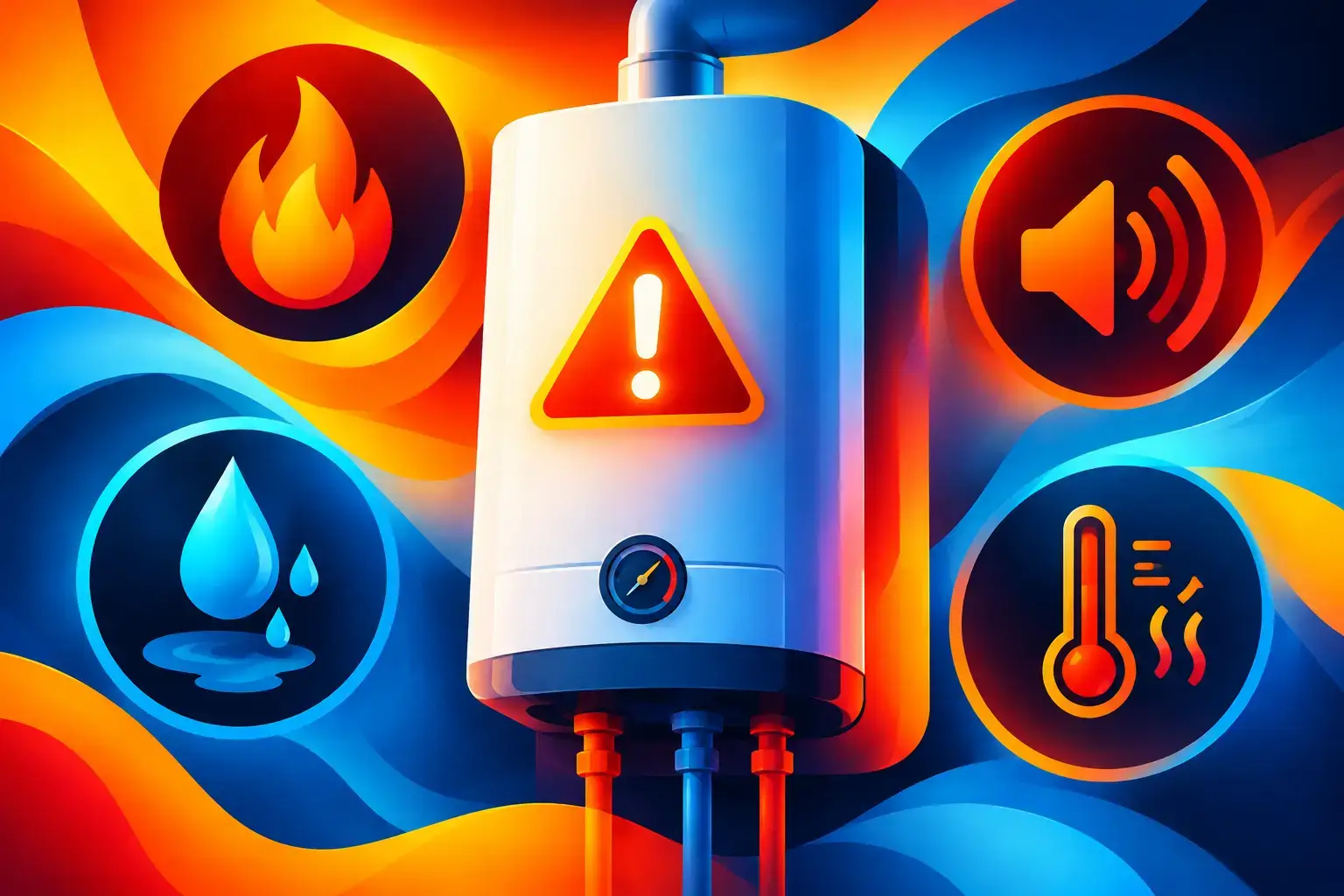
A boiler fault rarely arrives at a convenient time. One minute the house is warm and the hot water is running; the next, there is an unfamiliar smell, a flashing fault code or water appearing beneath the boiler. Knowing the best emergency boiler warning signs can help you protect your household, avoid further damage and get the right help without delay.
Some faults are disruptive but can wait for a booked repair. Others need immediate action because they may involve gas, carbon monoxide, electricity or a significant water leak. The key is not to diagnose the boiler yourself. Your role is to recognise the warning sign, make the area safe and contact a qualified Gas Safe engineer when needed.
The emergency boiler warning signs not to ignore
You can smell gas
If you smell gas in or around your home, treat it as an emergency. The smell is often described as similar to rotten eggs, although it can be faint or intermittent. Do not assume it is coming from the boiler, and do not try to find the source.
If it is safe to do so, turn off the gas supply at the emergency control valve, open doors and windows, and leave the property. Avoid using electrical switches, plugs, doorbells, mobile phones near the suspected leak or any naked flame. Call the National Gas Emergency Service on 0800 111 999 from outside the property. Once the immediate risk has been made safe, a Gas Safe registered engineer can assess whether the boiler or its pipework needs repair.
A carbon monoxide alarm sounds
Carbon monoxide is colourless and odourless, which is why a working audible carbon monoxide alarm is essential in any home with a gas boiler. If the alarm sounds, do not silence it and carry on as normal. Get everyone, including pets, outside into fresh air immediately and call for emergency advice.
Symptoms of carbon monoxide exposure can include headache, dizziness, nausea, breathlessness, confusion and tiredness. These symptoms can be mistaken for flu or fatigue, particularly in winter, but they must be taken seriously. If anyone is unwell or symptoms are severe, call 999. Do not return to the property or use the boiler until it has been checked and declared safe by a qualified engineer.
There is smoke, scorching or a burning smell
A burning smell from a boiler, its controls or nearby wiring is not a fault to watch and wait on. It can point to an electrical issue, overheated components or damage within the appliance. Visible smoke, scorch marks, sparking or repeated tripping of the consumer unit all require urgent professional attention.
If there is a risk of fire, leave the property and call 999. If there is no active fire but you can safely isolate the electrical supply to the boiler without touching damaged equipment, do so. Then arrange an urgent inspection. Never remove the boiler casing or attempt to reset electrical components yourself.
Water is leaking heavily from the boiler
A small drip from a pipe joint may not always be an emergency, but a growing puddle, a steady flow of water or water close to electrical connections should be acted on quickly. Leaks can damage flooring, ceilings and cupboards, while water inside the boiler can cause further component failure.
Place towels or a container beneath the leak only if you can do so safely. If you know where the boiler filling loop and isolation valves are, avoid adjusting them unless you have been shown how by an engineer. Turn off the water supply to the boiler only where it is safe and clear to do so, then contact a heating engineer. If water is reaching electrical sockets, switches or the consumer unit, keep clear and seek urgent electrical advice as well.
The boiler makes loud banging, whistling or vibrating noises
Boilers make some normal operating sounds, especially when they ignite or the pump starts. Loud banging, persistent whistling, rumbling or violent vibration is different. It may indicate kettling caused by restricted water flow, a pump issue, trapped air, low system pressure or a failing internal component.
These faults do not always mean immediate danger, but they can worsen quickly and may lead to a complete breakdown or leak. Turn the heating off if the noise is severe, particularly if it is accompanied by burning smells, water loss or an error message. An engineer can establish whether the cause is a circulation issue, scale build-up, a faulty pump or another system fault.
The pilot flame looks yellow or orange
Most modern boilers have sealed combustion chambers, so you will not see a pilot flame. However, if you have an older appliance where a flame is visible, it should usually be crisp and blue. A lazy yellow or orange flame, soot marks around the boiler or black staining near vents can indicate incomplete combustion.
Switch the appliance off if possible and arrange an urgent Gas Safe inspection. Do not rely on the boiler continuing to provide heat as proof that it is safe. Combustion faults can develop gradually, which is why annual servicing remains one of the most effective safeguards for a gas heating system.
Urgent faults that need a prompt repair
Not every boiler failure requires an emergency call-out, but a loss of heating or hot water can still be urgent, especially for households with young children, older residents or anyone with health conditions. During colder weather, a boiler that will not fire up deserves prompt attention to keep your home safe and comfortable.
A boiler pressure gauge that has dropped below the recommended range, often below 1 bar when cold, may cause the system to shut down. If your installer has shown you how to repressurise your specific system, following the manufacturer guidance may restore operation. If the pressure repeatedly falls, though, there may be a leak or an issue with the expansion vessel, and it needs investigation rather than repeated topping up.
A fault code on the display is also useful information for an engineer. Make a note of it, along with whether the heating, hot water or both have stopped working. A single reset may be appropriate if the manufacturer instructions allow it, but repeated resets can mask a developing fault. If the boiler locks out again, leave it off and arrange a repair.
Frozen condensate pipes are another common winter issue. A condensing boiler may stop and display a fault code if its external condensate pipe has frozen. Only attempt to thaw an accessible external pipe if conditions are safe and you are following the boiler manufacturer guidance. Use warm, never boiling, water. If you are unsure, or the pipe is difficult to reach, call an engineer rather than risking a fall or damaging the pipework.
What you can safely check before calling
A few simple checks can save time, but safety comes first. Check whether your thermostat is set above room temperature, whether the boiler has power and whether other gas appliances are working normally. If the boiler display shows a code, write it down. It is also helpful to note when the problem started and whether it followed a power cut, freezing weather or a drop in water pressure.
Do not take the boiler cover off, interfere with gas connections or attempt to repair internal parts. Boiler casings are part of the appliance's safety design, and work on gas appliances must be carried out by a Gas Safe registered engineer. A quick online fix can become an expensive, and potentially dangerous, mistake.
When an annual service prevents an emergency
Many breakdowns give subtle warning signs before they become urgent. A boiler that takes longer to heat water, needs frequent pressure top-ups, makes new noises or switches itself off intermittently should be checked before winter places more demand on it.
An annual service gives an engineer the chance to inspect the appliance, test its safety controls, check combustion, identify worn parts and spot issues with the wider heating system. It cannot prevent every fault, but it greatly reduces the chance of losing heating and hot water when you need them most.
For homeowners across the South Coast, local support makes a real difference when a boiler problem cannot wait. Gas Worx Southampton provides professional boiler servicing, repairs and emergency support with the clear advice and personal care your home deserves.
If something feels wrong with your boiler, trust that instinct. Make safety your first priority, keep your household warm where you can, and get qualified help before a small warning becomes a bigger problem.
Want advice for your own home? Speak to one of our experts, it’s free and there’s no obligation.
Speak to an expertMore from the blog
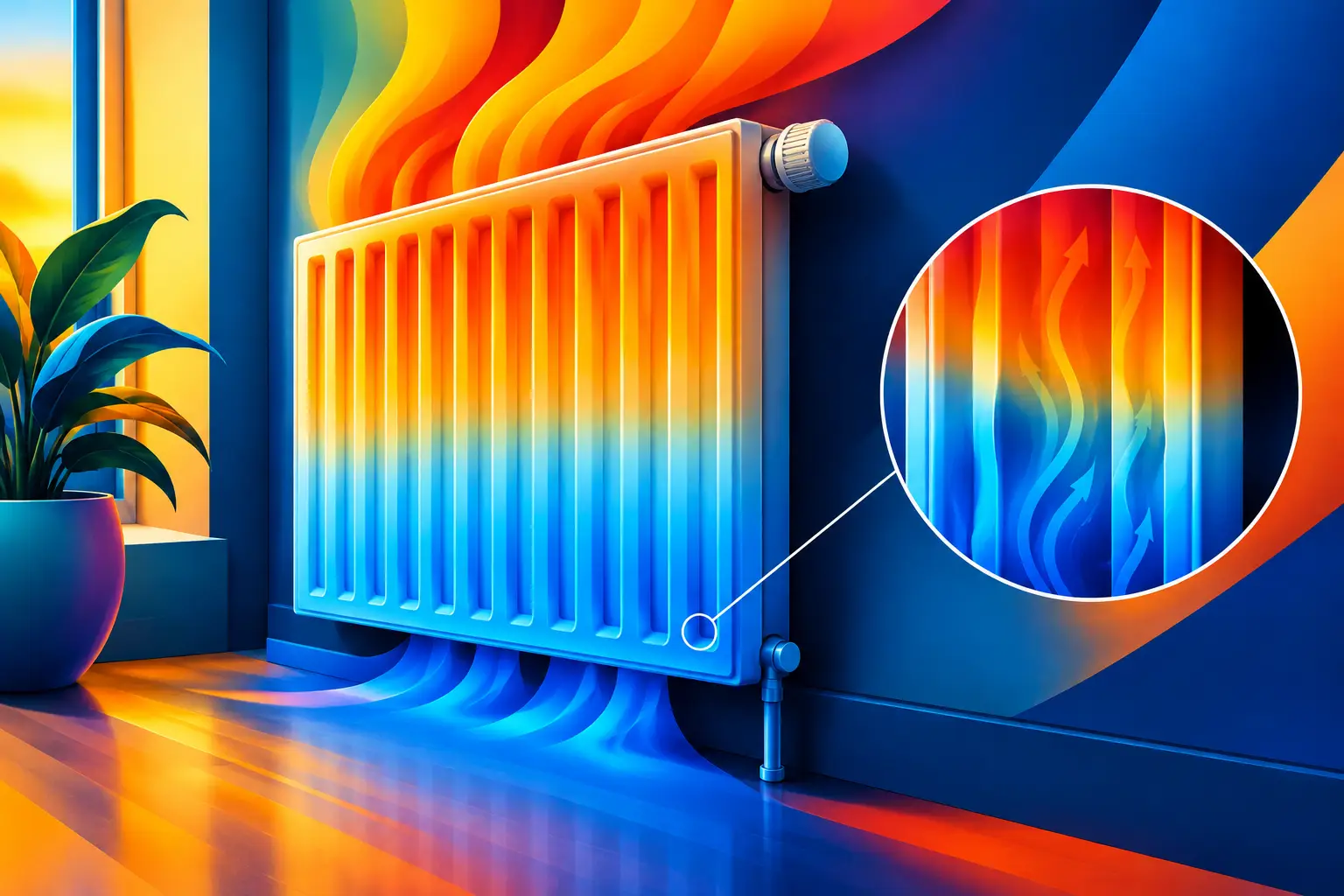
Why Radiators Are Cold at the Bottom in Your Home
Radiators cold at bottom can point to sludge, low flow or a valve fault. Learn safe checks, when bleeding helps and when to call a heating engineer today.
Read More
Worcester Bosch Boiler Review for Homeowners
Our Worcester Bosch boiler review explains reliability, efficiency, costs and warranty options, helping South Coast homeowners choose with confidence now.
Read More
Vaillant Boiler Review for UK Homeowners
Our Vaillant boiler review covers reliability, efficiency, warranties and model choice, helping you decide if one suits your own home, needs and budget.
Read More