

A boiler rarely chooses a convenient time to fail. Equally, putting off an upgrade to a more efficient heating system can mean another winter of uneven warmth, unreliable hot water and higher-than-necessary bills. Heating finance can help homeowners make a considered improvement now while spreading the cost over manageable monthly payments.
The right option is not simply the one with the lowest monthly figure. It should suit your household budget, the expected life of the system and the comfort you want from your home. A clear quotation, a properly designed system and time to understand the agreement all matter just as much as the payment plan itself.
What heating finance can help you achieve
Heating and hot water upgrades are significant household investments. A modern boiler, air source heat pump, solar panels or battery storage can improve efficiency, reliability and day-to-day comfort, but the upfront cost may not be convenient for every household.
Finance allows the cost to be paid over an agreed term rather than in one lump sum. For some homeowners, that means replacing an unreliable boiler before it becomes an emergency. For others, it makes a larger project, such as combining a heat pump with suitable heating controls or adding solar and battery storage, more achievable.
It is worth keeping the purpose in focus. Finance does not make an unsuitable system suitable, and it does not remove the need to budget. It gives you another way to pay for work that has been properly specified for your property.
Start with the system, not the monthly payment
A low monthly payment can look appealing, particularly when a household budget is under pressure. However, it may reflect a longer repayment period, meaning the total amount paid could be higher. A shorter term may cost more each month but less overall. Neither is automatically better - it depends on what you can comfortably afford without compromising other essential spending.
Before discussing payment options, ask for a clear recommendation based on your home. For a boiler installation, that includes the size of the property, number of bathrooms, hot water demand, existing pipework and the condition of your current system. For heat pumps, a detailed assessment of insulation, heat loss, radiator suitability and available space is especially important.
A tailored design helps avoid paying for capacity you do not need or choosing equipment that cannot deliver the comfort you expect. It is also useful to understand what the quotation includes: equipment, labour, controls, any necessary upgrades, commissioning, warranties and aftercare should be clear from the outset.
Think beyond the appliance
The most effective heating upgrade is often a complete solution rather than a single box on the wall. A new boiler may benefit from improved controls, system cleaning or a magnetic filter. A heat pump may need radiator changes or hot water cylinder work to operate efficiently. Solar can be more valuable to some households when paired with battery storage, but that depends on when and how you use electricity.
These additions can increase the initial project cost, yet they may also protect performance and improve long-term value. The key is to understand why each item has been recommended, rather than removing it purely to reduce the headline price.
Questions to ask about heating finance
A reputable installer should explain the project and the finance arrangement in plain English. You should never feel hurried into signing because you are worried about being left without heating. If your system has failed, ask what practical support is available while you consider your options.
Before you commit, make sure you know the cash price, the deposit required if any, the number and amount of payments, the length of the agreement and the total amount repayable. Check whether the interest rate is fixed, whether there are fees, and whether you can make overpayments or settle early. Ask what happens if a payment is missed and read the lender's terms carefully.
Any finance agreement will be subject to the lender's eligibility checks, status and terms. Approval is not guaranteed, so it is sensible not to make plans around an assumed outcome before the agreement has been confirmed.
It is also reasonable to ask whether there are different repayment terms available. Comparing options side by side can make the decision easier. Focus on the total repayable as well as the monthly amount, and choose a payment that still leaves room for normal household costs, unexpected repairs and changing energy bills.
Compare value fairly
When comparing heating quotes, avoid treating the total price as the only measure of value. A cheaper quote may not include essential work, quality controls, commissioning or support after installation. Conversely, the most expensive proposal is not automatically the best one either.
Compare like for like. Check the make and model of equipment, system design, warranty terms, expected installation timescale and who will be responsible if you need help after the work is complete. Ask whether the installer will carry out the work themselves and whether they are appropriately accredited for the technology being installed.
For homeowners across Hampshire, Wiltshire, West Sussex and Dorset, choosing a local specialist can add useful reassurance. If you need a question answered after installation or want to arrange annual servicing, it helps to know there is a team accountable for the work and familiar with the area.
When finance may be a sensible choice
Heating finance can be a practical route when an essential replacement cannot wait, but paying in full would place too much strain on your savings. It can also suit homeowners planning a carefully considered efficiency upgrade who prefer predictable monthly budgeting.
For example, an older boiler that is becoming unreliable may be costing more in call-outs and causing stress for the household. Replacing it with a correctly sized modern system can restore dependable heating and hot water. Spreading the cost may let you choose a well-designed installation and suitable controls rather than opting for the fastest possible short-term fix.
With renewables, the decision is more individual. Heat pumps and solar systems can support lower-carbon living and may reduce energy costs in the right property and usage pattern, but savings are never identical from one home to another. Your tariff, insulation, household routines and system design all influence the outcome. Treat predicted savings as part of the wider picture, not as a promise that repayments will be covered by lower bills.
When it may be better to pause
Finance is not the right answer for every project. If the repayments would make your monthly budget uncomfortable, it may be wiser to consider a repair, save for longer or explore a smaller phased improvement. There is no benefit in upgrading your comfort only to create financial worry.
It may also be worth pausing if the proposal is vague. Do not agree to finance a system until you understand what is being installed, why it is suitable for your property and what support you will receive afterwards. A professional installer will welcome sensible questions and give you time to make an informed decision.
Protect the value of your investment
Once a new system is installed, regular care helps it deliver the reliability you paid for. Annual boiler servicing can identify developing issues early and help protect warranty requirements. Heat pumps, solar equipment and batteries also benefit from appropriate checks and ongoing support.
Ask at the quotation stage what maintenance is recommended and how future servicing will be arranged. A system should not feel like a one-off transaction. The best results come from correct design, careful installation and long-term care.
Make the next step straightforward
A good heating finance conversation starts with your home, your priorities and your budget. Whether you are facing an urgent boiler replacement or planning a move towards lower-carbon technology, insist on clear figures and practical advice before deciding.
Gas Worx Southampton believes comfort should come with confidence. Take time to compare the whole proposal, not just the monthly payment, and choose an installer prepared to support your home long after installation day.
Want advice for your own home? Speak to one of our experts, it’s free and there’s no obligation.
Speak to an expertMore from the blog
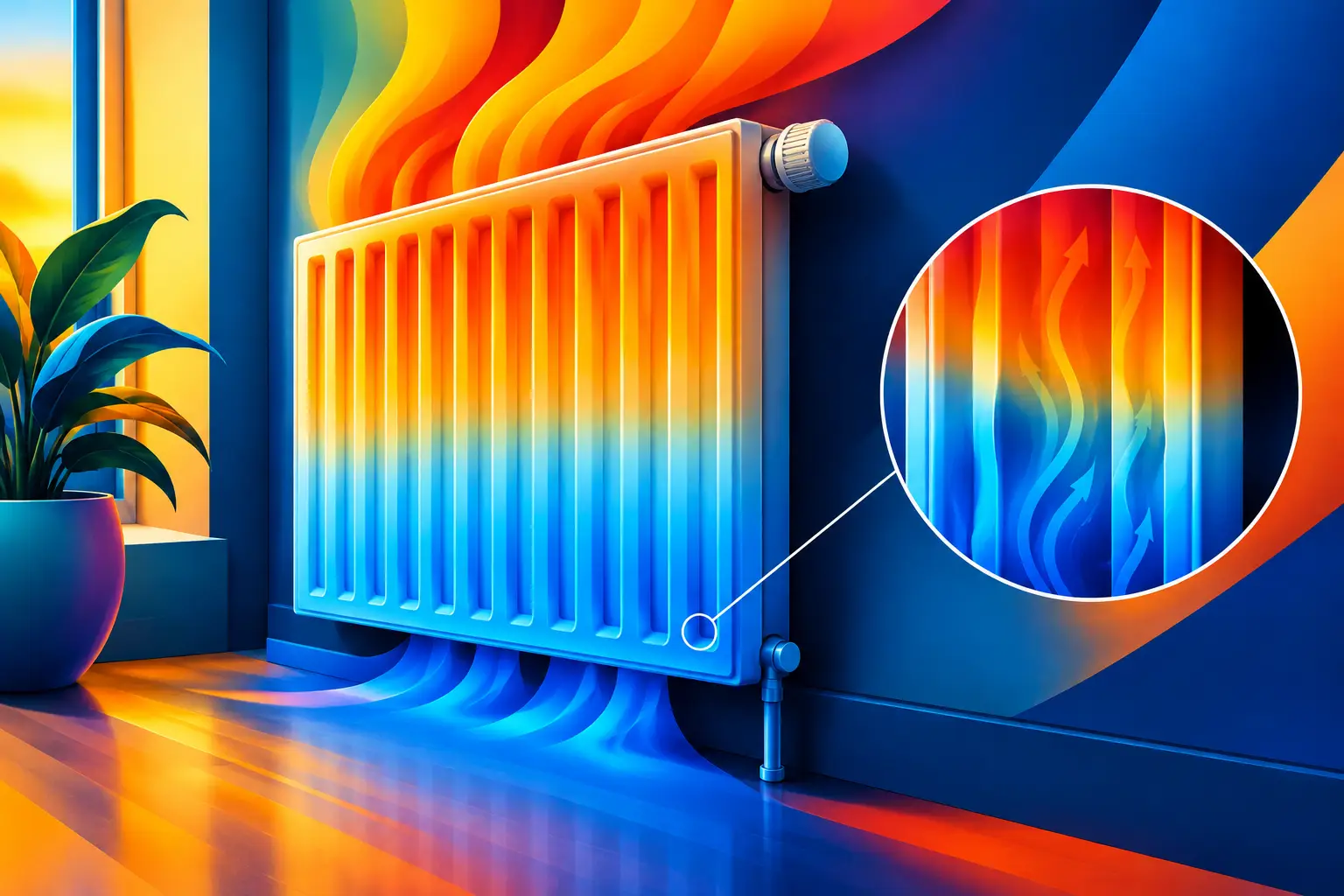
Why Radiators Are Cold at the Bottom in Your Home
Radiators cold at bottom can point to sludge, low flow or a valve fault. Learn safe checks, when bleeding helps and when to call a heating engineer today.
Read More
Worcester Bosch Boiler Review for Homeowners
Our Worcester Bosch boiler review explains reliability, efficiency, costs and warranty options, helping South Coast homeowners choose with confidence now.
Read More
Vaillant Boiler Review for UK Homeowners
Our Vaillant boiler review covers reliability, efficiency, warranties and model choice, helping you decide if one suits your own home, needs and budget.
Read More