

A heating quote can look straightforward until you put two or three side by side. One may be hundreds of pounds cheaper, yet include less work, a smaller warranty or a boiler that is not properly suited to your home. Knowing how to compare heating quotes means looking beyond the final figure and asking whether each proposal delivers the same level of comfort, safety and long-term value.
For homeowners, the right decision is rarely about choosing the lowest price. It is about choosing a well-designed system, fitted by someone you trust, with clear support if you need it later.
Start by making the quotes like-for-like
Before comparing costs, check that every installer has quoted for the same job. This is the most common reason for apparent price differences. A lower quote may be based on a basic boiler swap, while another includes system improvements that will protect performance and reliability over time.
Look for the boiler or heat pump make, model and output in kilowatts. A quotation should also state whether it is for a combi boiler, system boiler or regular boiler, and whether a new hot water cylinder is included. For heat pumps, it should explain the proposed unit size, cylinder capacity and any changes needed to radiators or pipework.
The size of a heating appliance matters. An oversized boiler can cycle on and off more often than necessary, while an undersized unit may struggle to supply heating and hot water when your household needs it most. A good quote is based on an assessment of your property, your existing system and your daily hot water use - not simply a replacement of whatever is currently on the wall.
What should a detailed heating quote include?
A clear quotation gives you confidence before work starts. It should set out the scope in plain English, so you know what is included, what may cost extra and who is responsible for each stage.
Check whether the price covers removal and responsible disposal of the old appliance, delivery, installation labour, new controls, a magnetic filter, system flushing or cleaning, inhibitor, commissioning and registration of the warranty. These items can make a genuine difference to the system's lifespan and are not always included in a headline price.
Also look for details on electrical work, condensate pipework, flue alterations, scaffolding or external pipe protection where relevant. If a heat pump or solar-led heating solution is being discussed, the design should address insulation, heat loss, radiator suitability and how the system will work with your existing hot water arrangements.
A brief quote is not automatically a poor one, but it should never leave you guessing. Ask for clarification in writing before you agree to proceed.
Compare the controls, not just the heat source
Heating controls can have a significant effect on comfort and running costs. One proposal may include a basic programmable thermostat, while another provides smart zoning, weather compensation or load compensation controls that help the system respond more efficiently.
The best choice depends on your home and how you live in it. A family with different schedules may value easy room-by-room control. Someone who prefers simple, familiar controls may not need a more complex setup. What matters is that the installer explains the options and includes controls that are compatible with the appliance being fitted.
Check the installer’s credentials and accountability
A heating system is a safety-critical installation, so credentials should carry real weight in your decision. For gas boiler work, check that the engineer is Gas Safe registered and qualified for the type of appliance being installed. For air source heat pumps, look for suitable renewable heating accreditation, manufacturer training and experience with whole-home system design.
Ask who will actually complete the work. Some companies use in-house engineers; others rely heavily on subcontractors. Either model can work well, but you deserve to know who will be in your home and who remains accountable if something needs attention afterwards.
Local knowledge can also be valuable. An installer serving Hampshire, Dorset, Wiltshire or West Sussex should understand the housing mix in the area, from older properties with ageing pipework to newer homes where heating controls and energy efficiency are priorities. More importantly, they should be available to support you once the installation is complete.
Reviews are useful, but read them with care. Look for repeated comments about punctuality, tidiness, communication and how the business handled an issue. A perfect score alone tells less than detailed feedback from customers who describe the full experience.
Compare warranties and aftercare properly
A long warranty can be reassuring, but it is only valuable if you understand the conditions. Check the manufacturer warranty length, what parts are covered, whether labour is included and whether annual servicing is required to keep the warranty valid.
It is also worth separating the product warranty from the installation guarantee. The manufacturer may cover a faulty component, while the installer is responsible for the quality of pipework, fittings and workmanship. Ask how long the installer guarantees their work and how to request help if a fault develops.
Aftercare is where a low initial quote can become expensive. Find out whether the company offers annual servicing, care plans, emergency support and a clear route for reporting problems. Your heating is not a one-day purchase. It is part of your home for years, and you should feel confident that help is available when it matters.
Ask how energy efficiency has been considered
A new boiler or heat pump should be chosen to improve more than reliability. It should suit your home well enough to help control energy use without compromising comfort.
For boiler quotations, ask about efficiency ratings, modulation range and whether the proposal includes system cleaning and modern controls. A high-efficiency boiler can still underperform if it is connected to a dirty system, poorly configured or left with unsuitable controls.
For heat pumps, efficiency depends even more on design. The quote should consider heat loss, flow temperatures, radiator output and hot water demand. A heat pump may be an excellent option for many homes, but it is not a simple like-for-like boiler replacement. Be cautious of any proposal that promises savings without explaining the assumptions behind them.
If you are also considering solar panels or battery storage, ask how these technologies could work together. The right combination depends on your electricity use, roof suitability, heating system and budget. A joined-up conversation can prevent you from investing in separate upgrades that do not complement each other.
Watch for allowances and exclusions
Not every unknown can be priced perfectly before work begins, especially in older homes. The important thing is that allowances and exclusions are visible rather than hidden.
For example, a quote may exclude repairs to damaged pipework, electrical upgrades, asbestos-related work, redecorating or making good after flue changes. That does not mean the installer is being difficult. It means they are setting realistic expectations. Ask what circumstances could create additional costs, how these would be approved and whether there is a likely price range.
Be especially wary of vague phrases such as standard installation if there is no explanation of what standard means. Your property is individual, and a proper proposal should reflect that.
Do not let price be the only deciding factor
When you compare heating quotes, place the total cost alongside the system specification, the installer’s credentials, the warranty and the standard of aftercare. A cheaper quote may still be the best option if it genuinely covers the same quality of equipment, installation and support. Equally, a higher price should be justified by a better design, more comprehensive work or stronger long-term protection.
If one quote is substantially lower or higher than the others, ask why. A professional installer should be happy to talk you through their recommendation without pressure or jargon. You are not being awkward by asking questions - you are making a sensible decision about your home.
Questions worth asking before you accept
Before signing, make sure you can answer these practical questions:
- Is the proposed appliance correctly sized for my home and hot water needs?
- Exactly what work, materials, controls and disposal are included in the price?
- What could lead to extra charges, and how will I approve them?
- Who will install the system, commission it and register the warranty?
- What warranty and workmanship cover will I receive?
- What servicing and support are available after installation?
A dependable installer will welcome these questions because clear expectations lead to better results for everyone.
The best heating quote should leave you feeling informed, not rushed. Whether you are replacing an unreliable boiler, planning a heat pump or considering a wider home energy upgrade, choose the proposal that treats your comfort as a long-term commitment. At Gas Worx Southampton, that means clear advice, careful design and support that continues long after installation day.
Want advice for your own home? Speak to one of our experts, it’s free and there’s no obligation.
Speak to an expertMore from the blog
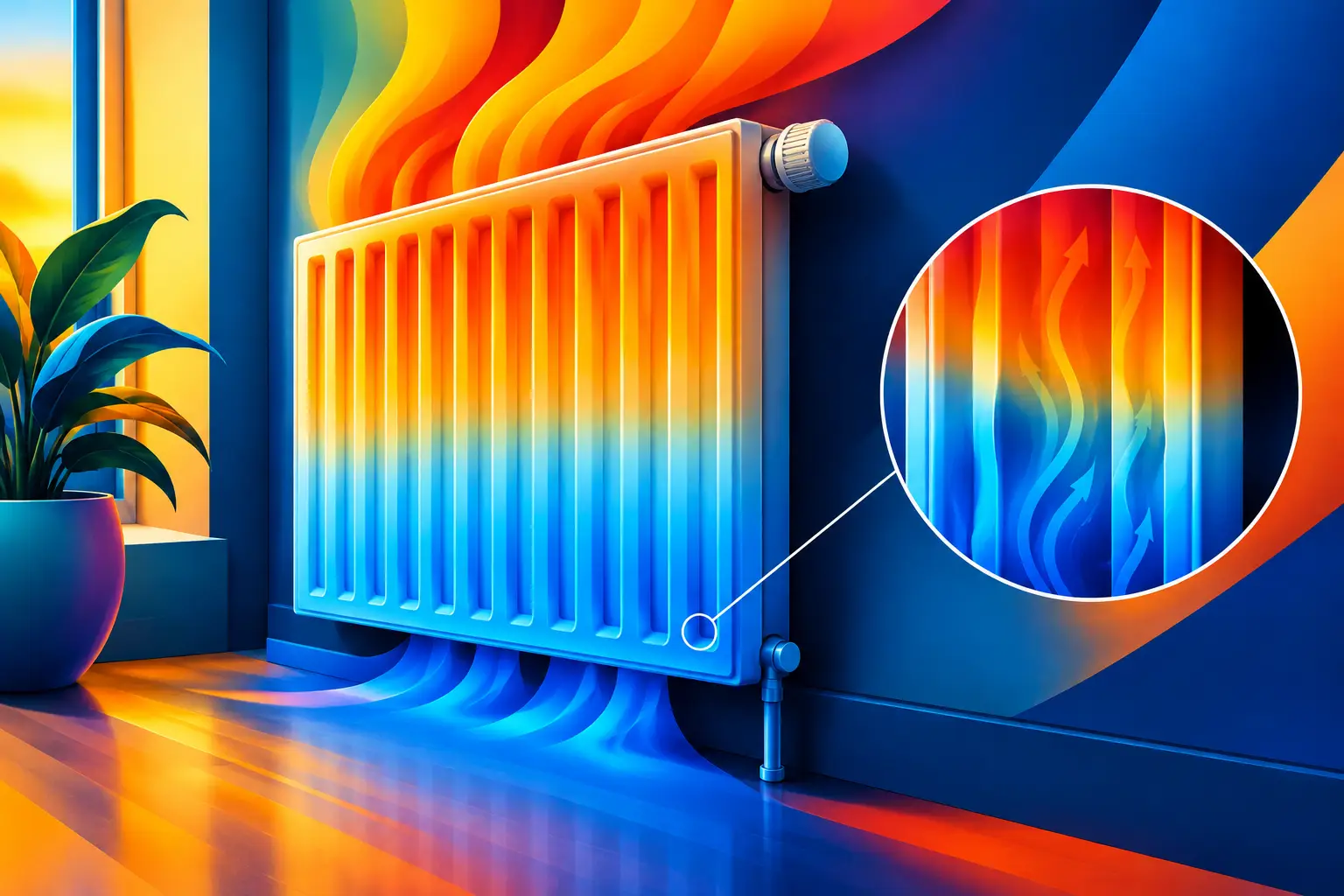
Why Radiators Are Cold at the Bottom in Your Home
Radiators cold at bottom can point to sludge, low flow or a valve fault. Learn safe checks, when bleeding helps and when to call a heating engineer today.
Read More
Worcester Bosch Boiler Review for Homeowners
Our Worcester Bosch boiler review explains reliability, efficiency, costs and warranty options, helping South Coast homeowners choose with confidence now.
Read More
Vaillant Boiler Review for UK Homeowners
Our Vaillant boiler review covers reliability, efficiency, warranties and model choice, helping you decide if one suits your own home, needs and budget.
Read More