
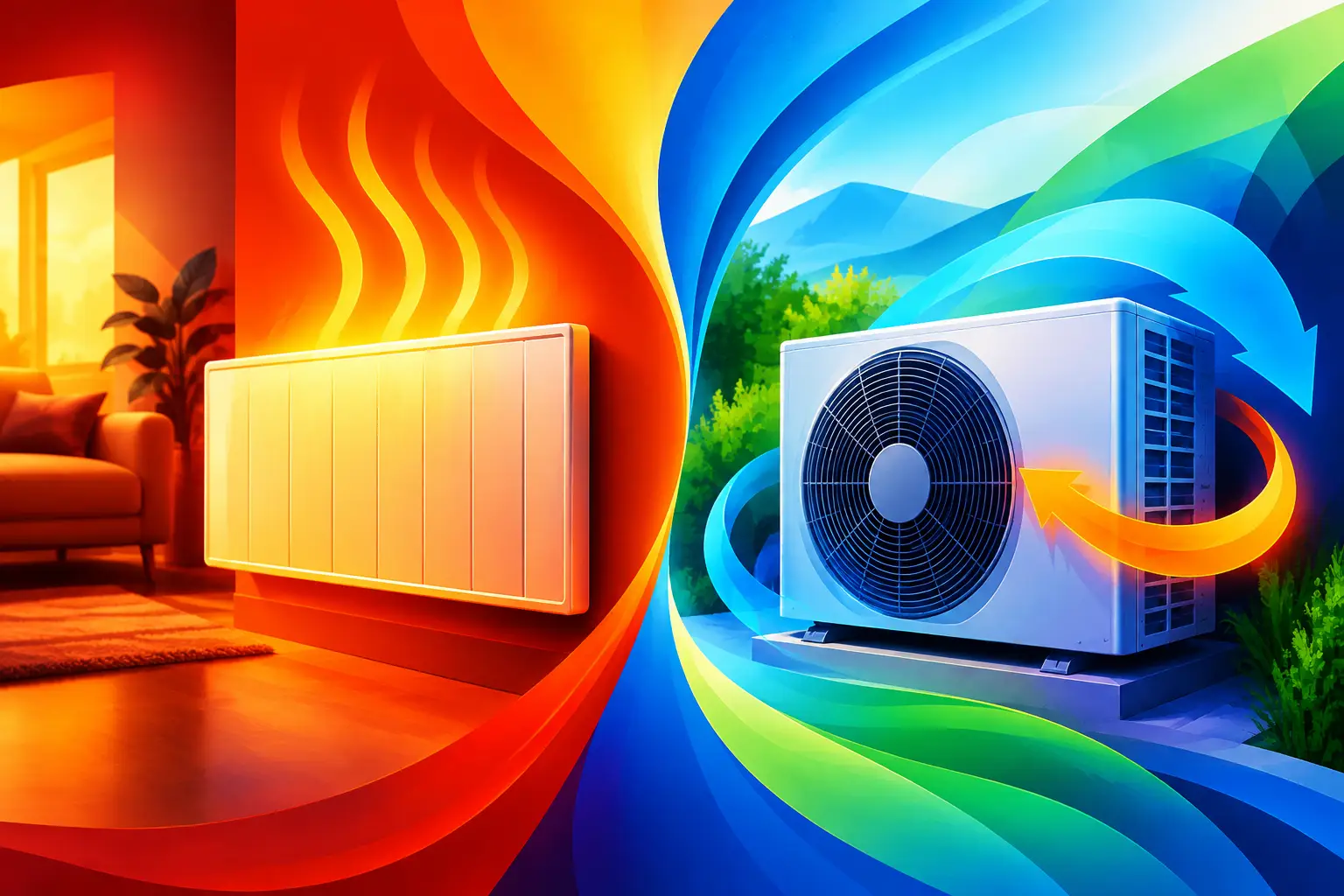
A chilly morning and a higher-than-expected electricity bill can make electric heating vs heat pump feel like a very urgent comparison. Both use electricity, but they use it in fundamentally different ways. The right answer depends on your property, your existing heating system, your budget and how you want your home to feel through a South Coast winter.
For most homes needing whole-house heating, an air source heat pump offers lower running costs than direct electric heaters. Direct electric heating still has a useful place, though - particularly for a single room, a small well-insulated property or an area used only occasionally.
Electric heating vs heat pump: the key difference
Direct electric heating turns electricity straight into heat. This includes electric radiators, panel heaters, infrared heaters, electric underfloor heating and many storage heaters. In simple terms, one unit of electricity delivers roughly one unit of heat into the room.
A heat pump works differently. It uses electricity to draw low-grade heat from outside air and transfer it into your home through radiators, underfloor heating and hot water. It does not need to create every unit of heat from electricity. Under suitable conditions, one unit of electricity can often provide around three or more units of heat.
That difference is why a heat pump can be much cheaper to run than direct electric heating, even though both appear on your electricity bill. Its efficiency is usually described by a seasonal performance factor, which reflects performance across a typical heating season rather than on one mild day.
Running costs: where the difference is felt
Electricity is normally more expensive per unit than mains gas, so running an entire home with direct electric heaters can become costly. A panel heater may be efficient at the point of use, but it cannot multiply the energy it receives.
A correctly designed heat pump can reduce the amount of electricity required for the same warmth. The actual saving will vary with your tariff, insulation levels, the temperature you keep your rooms at and how the system has been designed. A heat pump serving an older, draughty home with unsuitable controls will not perform as well as one installed as part of a considered heating upgrade.
It is also worth looking beyond the headline price per unit. Heat pumps work best when they maintain a steady, comfortable indoor temperature. Repeatedly turning them off and expecting rapid bursts of heat may reduce efficiency and comfort. Direct electric heaters can warm a room quickly, which can make them useful for short periods, but that convenience comes at a higher cost per unit of heat.
For households with solar panels, both options can use electricity generated at home. A heat pump may make more valuable use of that power because it converts each unit of available electricity into more heat. Battery storage and smart controls can add further flexibility, although they should support a well-designed system rather than compensate for a poor one.
Comfort is about more than a warm room
Electric radiators are straightforward. They heat up quickly, are easy to fit and can give independent control over individual rooms. If you have a garden room, home office or spare bedroom that is only occupied occasionally, direct electric heating may be a sensible targeted solution.
The drawback is that a whole property heated this way can feel uneven if each room is managed separately. Some rooms may be kept off to save money, while others are heated heavily when needed. This can lead to cold spots, condensation risk and less consistent comfort.
A heat pump is designed to provide gentle, even heating across the home. Rather than delivering intense heat for a short time, it generally runs at a lower flow temperature for longer. The result should be stable comfort, warm radiators for more of the day and reliable hot water when the system is sized correctly.
This is a change in heating style for households used to a gas boiler that quickly makes radiators very hot. Lower-temperature radiators are not a sign that a heat pump is underperforming. They are part of how it operates efficiently. Some homes will need larger radiators or different emitters to ensure each room reaches the desired temperature on colder days.
Installation and upfront cost
Direct electric heaters are usually the cheaper and quicker option to install. There is no outdoor unit, no pipework and, in many cases, no need to alter the existing heating system. Electrical work must still be completed safely and in line with the relevant regulations, particularly where new circuits are required.
A heat pump is a larger investment because it is a full heating and hot water system, not simply a replacement heater. The installation may involve an outdoor unit, hot water cylinder, new controls, pipework changes and radiator upgrades. A detailed room-by-room heat-loss calculation is essential. It tells the installer how much heat each room needs and helps determine whether your current radiators are suitable.
The best heat pump installation is never based solely on the size of the property. A compact, well-insulated three-bedroom house can have very different needs from a larger but similarly numbered home with older windows and exposed walls. Ask how the proposed system has been designed, not just what model has been quoted.
Financial support may be available for eligible households through government schemes, but rules, funding and eligibility can change. Treat any incentive as one part of the decision, alongside installation quality, expected running costs and the long-term condition of your home.
Is your home ready for a heat pump?
Many homes across Hampshire, Wiltshire, Dorset and West Sussex can be suitable for an air source heat pump. You do not need a brand-new house, and you do not necessarily need underfloor heating. However, preparation matters.
Insulation should be assessed before the heating system is selected. Loft insulation, draught reduction and sensible improvements to walls, windows or floors can lower heat demand and allow a smaller, more economical system. This does not mean every improvement must be completed before a heat pump can be considered. It means the design should account honestly for the home as it is now, and for planned improvements.
You will also need suitable space for the outdoor unit and, usually, a hot water cylinder indoors. Noise, access for installation and practical pipe routes should be considered at survey stage. A professional installer should explain these points clearly, including any planning considerations that apply to your property.
When direct electric heating is the better choice
A heat pump is not automatically the best answer in every situation. Direct electric heating can be the practical choice where only one small space needs heat, where extending a wet heating system would be disproportionate, or where a property is occupied infrequently.
It may also suit a short-term solution while a wider renovation is being planned. For example, replacing a failed heater in a single room is different from choosing the long-term heating strategy for a family home. In that case, a safe, reliable electric heater may solve the immediate problem without committing you to a rushed whole-house decision.
Storage heaters deserve separate consideration. Modern models with intelligent controls can make better use of time-of-use tariffs than older units, but they still provide direct electric heat. Their suitability depends heavily on your electricity tariff, how predictable your household routine is and whether stored warmth is available when you need it.
Questions to ask before choosing
Before deciding, focus on the evidence behind the recommendation. Ask for an estimate of annual heat demand, a clear explanation of likely running costs and confirmation of what work is included. For a heat pump, ask whether radiator sizes, hot water requirements and insulation levels have been assessed. For electric heating, ask what the likely annual electricity use will be if it becomes your main source of warmth.
It is equally sensible to ask who will support the system after installation. Heating is a long-term investment, and servicing, controls advice and a responsive team matter just as much as the equipment itself. Gas Worx Southampton takes a whole-home view, helping homeowners understand how heating, hot water, solar and battery storage can work together rather than recommending a one-size-fits-all answer.
The most reassuring choice is the one built around your property and daily life. A proper survey can turn a confusing comparison into a clear plan for dependable warmth, manageable bills and comfort that lasts beyond the first winter.
Want advice for your own home? Speak to one of our experts, it’s free and there’s no obligation.
Speak to an expertMore from the blog
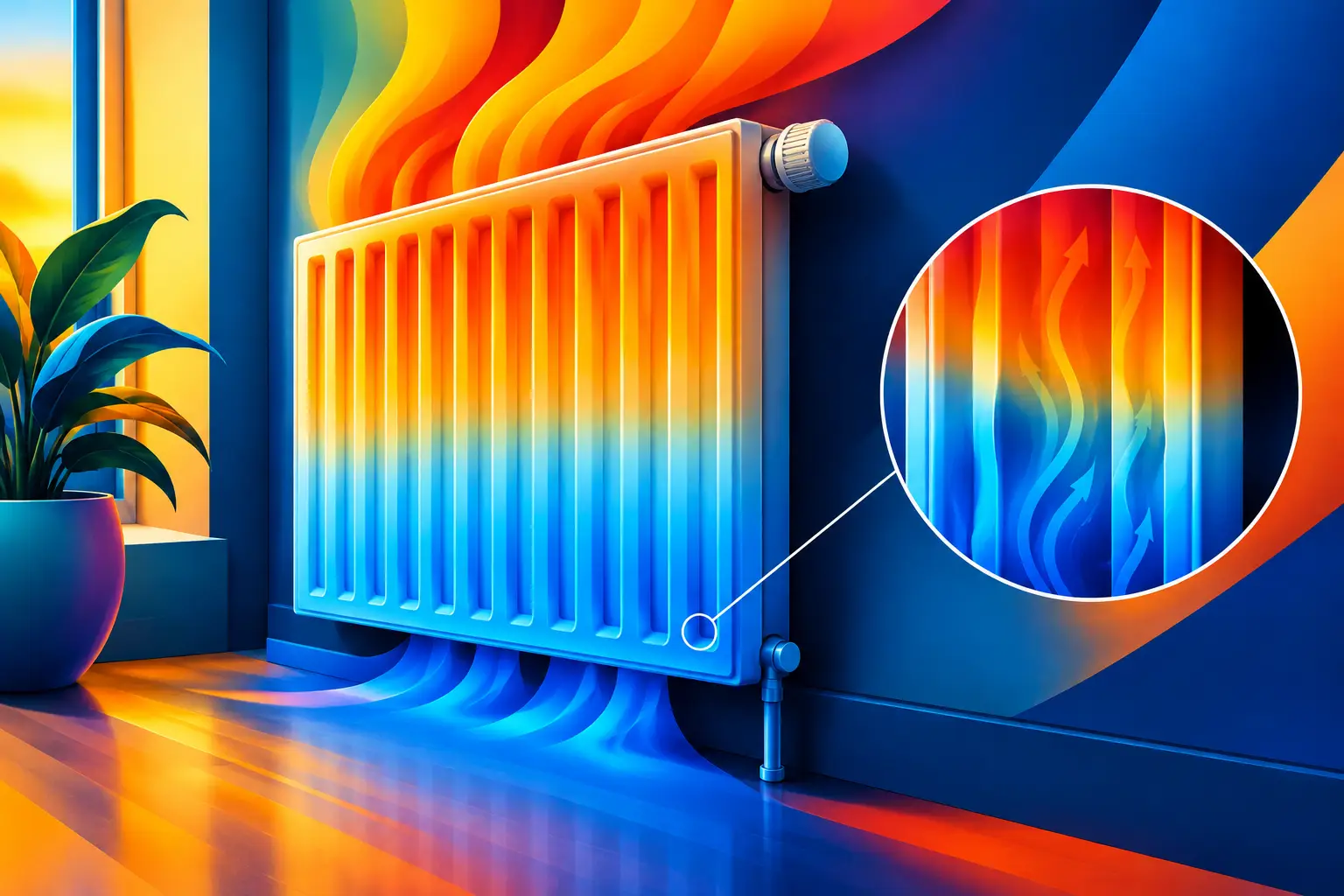
Why Radiators Are Cold at the Bottom in Your Home
Radiators cold at bottom can point to sludge, low flow or a valve fault. Learn safe checks, when bleeding helps and when to call a heating engineer today.
Read More
Worcester Bosch Boiler Review for Homeowners
Our Worcester Bosch boiler review explains reliability, efficiency, costs and warranty options, helping South Coast homeowners choose with confidence now.
Read More
Vaillant Boiler Review for UK Homeowners
Our Vaillant boiler review covers reliability, efficiency, warranties and model choice, helping you decide if one suits your own home, needs and budget.
Read More