

A boiler that suddenly starts banging, whistling or humming can make your whole home feel unsettled. Some sounds are harmless, particularly as heating pipes warm up and expand, but others point to an issue that needs attention before it affects your heating, hot water or safety. Knowing how to reduce boiler noise starts with recognising the sound, checking the simple causes and knowing when to call a qualified engineer.
First, identify where the noise is coming from
Before assuming the boiler itself is at fault, listen carefully. A noise from behind a radiator, beneath the floorboards or inside pipework may have a different cause from a noise coming directly from the boiler casing. Try to notice when it happens too: when the heating first comes on, while hot water is running, or continuously.
A gentle hum from the boiler is usually normal. Modern boilers contain pumps, fans and valves that make a low operating sound. What is not normal is a new noise, an unusually loud one, or a sound accompanied by poor heating performance, an error code, a drop in pressure or a smell of gas.
If you can smell gas, suspect a carbon monoxide issue, or your carbon monoxide alarm sounds, do not investigate the appliance yourself. Turn off the appliance if it is safe to do so, open doors and windows, leave the property, and seek urgent professional advice.
Common boiler noises and what they may mean
Banging, rumbling or a sound like a kettle boiling
A loud banging or rumbling noise can be a sign of kettling. This happens when water is not circulating properly through the heat exchanger and becomes hot enough to create steam bubbles. Limescale, sludge and debris can restrict the flow, especially in hard-water areas or older heating systems.
Kettling should not be ignored. The boiler may still produce heating for a while, but it is working harder than it should and may become less efficient. A heating engineer can assess the system, check whether cleaning or flushing is appropriate, and make sure the boiler is correctly set up for your home. The right solution depends on the boiler’s age, condition and the quality of the system water - an aggressive clean is not suitable for every older system.
Whistling or high-pitched noises
Whistling can also indicate restricted water flow, sometimes caused by scale or a partially closed valve. In other cases, it may be linked to high water pressure or a component inside the boiler.
Check the pressure gauge when the system is cold. Most sealed systems operate around 1 to 1.5 bar, although the correct range can vary by manufacturer. If the pressure is clearly above the marked normal range, avoid repeatedly bleeding radiators or topping up the system without advice. Both can make the problem worse. A qualified engineer should identify why the pressure is high and correct the underlying fault.
Gurgling from radiators or pipes
Gurgling is commonly caused by air trapped in radiators or pipework. You may also find that the top of a radiator stays cold while the bottom heats up. Carefully bleeding the affected radiator can often reduce the noise and improve warmth in the room.
Turn the heating off first and allow the system to cool. Use a radiator key with a cloth beneath the valve, open it slowly until air stops hissing and water begins to appear, then close it securely. Afterwards, check the boiler pressure. If it has dropped below the recommended level, follow your boiler manufacturer’s instructions for repressurising, or arrange help if you are unsure.
If gurgling returns regularly, it may be more than trapped air. A small leak, corrosion or a problem with the expansion vessel can all introduce or retain air in the system. Persistent symptoms deserve a professional inspection.
Tapping, ticking or creaking
Pipes expand as they heat and contract as they cool. Where they pass through tight gaps in flooring, joists or walls, that movement can create tapping or ticking noises. This is particularly common after a new boiler has been installed, as a more efficient system may heat water faster than the previous one.
The boiler may be working perfectly well in this situation. Reducing the central-heating flow temperature slightly can sometimes make pipe expansion less abrupt, while still keeping rooms comfortable. Any adjustments should be sensible: lowering the setting too far may mean some rooms take longer to heat. Pipework that is poorly supported or tightly clipped may need an engineer’s attention, especially if the noise is loud or worsening.
Humming, vibrating or droning
A steady vibration may come from the boiler pump, fan or pipework touching a wall, cupboard or floor. It can also be caused by a loose boiler panel or an incorrectly secured external condensate pipe.
Do not remove the boiler casing to investigate. The sealed combustion area and internal components must only be accessed by a Gas Safe registered engineer. However, you can make a note of whether the vibration occurs with heating, hot water or both. That information will help an engineer diagnose the issue more efficiently.
Practical steps to reduce boiler noise safely
There are a few homeowner checks that can make a genuine difference, without interfering with gas-carrying or electrical components.
Keep the area around the boiler clear, particularly if it is housed in a cupboard. Boilers need adequate ventilation and access for servicing. Avoid storing coats, towels, paint or household items around the appliance, as these can amplify sound and make inspections harder.
Check that radiator valves are open where required and that rooms are heating evenly. A system with several cold radiators, stuck valves or one radiator that is much hotter than the rest may be out of balance. Balancing controls the flow of hot water around the home so each radiator receives an appropriate share. It can improve comfort and may reduce rushing-water noises, but it is best done methodically rather than by random valve adjustments.
Also consider your heating controls. Constantly switching the boiler on and off manually can lead to frequent start-up noises and uneven temperatures. A properly programmed thermostat and sensible heating schedule allow the system to run more steadily. If you have a modern condensing boiler, using lower flow temperatures where practical can also support efficiency, though the ideal setting depends on radiator size, insulation and how quickly your home loses heat.
When boiler noise needs an engineer
Call a qualified heating engineer if the noise is sudden, loud, repeated or paired with an operational problem. Warning signs include a boiler locking out, pressure that repeatedly rises or falls, water leaks, discoloured radiator water, cold patches on radiators, inconsistent hot water or visible staining around pipework.
An annual boiler service is one of the best ways to prevent many noise-related issues. It gives an engineer the opportunity to inspect key components, assess combustion, check system pressure and identify early signs of wear. A service will not solve every pipework issue, but it can prevent a minor fault from becoming an inconvenient breakdown during colder weather.
For homes across Hampshire, Wiltshire, West Sussex and Dorset, a local engineer can also assess the wider heating system rather than focusing only on the boiler. That matters because noisy boilers are often responding to a circulation, water-quality or control issue elsewhere in the system.
Preventing noise after the repair
Once the cause has been resolved, ask what will prevent it returning. Depending on the diagnosis, this could mean fitting or checking a magnetic filter, treating the system water, improving pipe support, replacing a worn pump, balancing radiators or reviewing boiler settings.
There is no single cure for every sound. Bleeding a radiator may solve a gurgle, while a rumbling boiler may need specialist cleaning or component checks. The safest approach is to avoid quick fixes that mask the problem and choose a repair that protects both comfort and the life of your heating system.
A quiet boiler is not just nicer to live with. It is often a sign that your heating is circulating properly, running efficiently and receiving the care it needs. If the sound does not feel right, trust that instinct and arrange a professional check before a small disturbance becomes a cold home or a costly repair.
Want advice for your own home? Speak to one of our experts, it’s free and there’s no obligation.
Speak to an expertMore from the blog
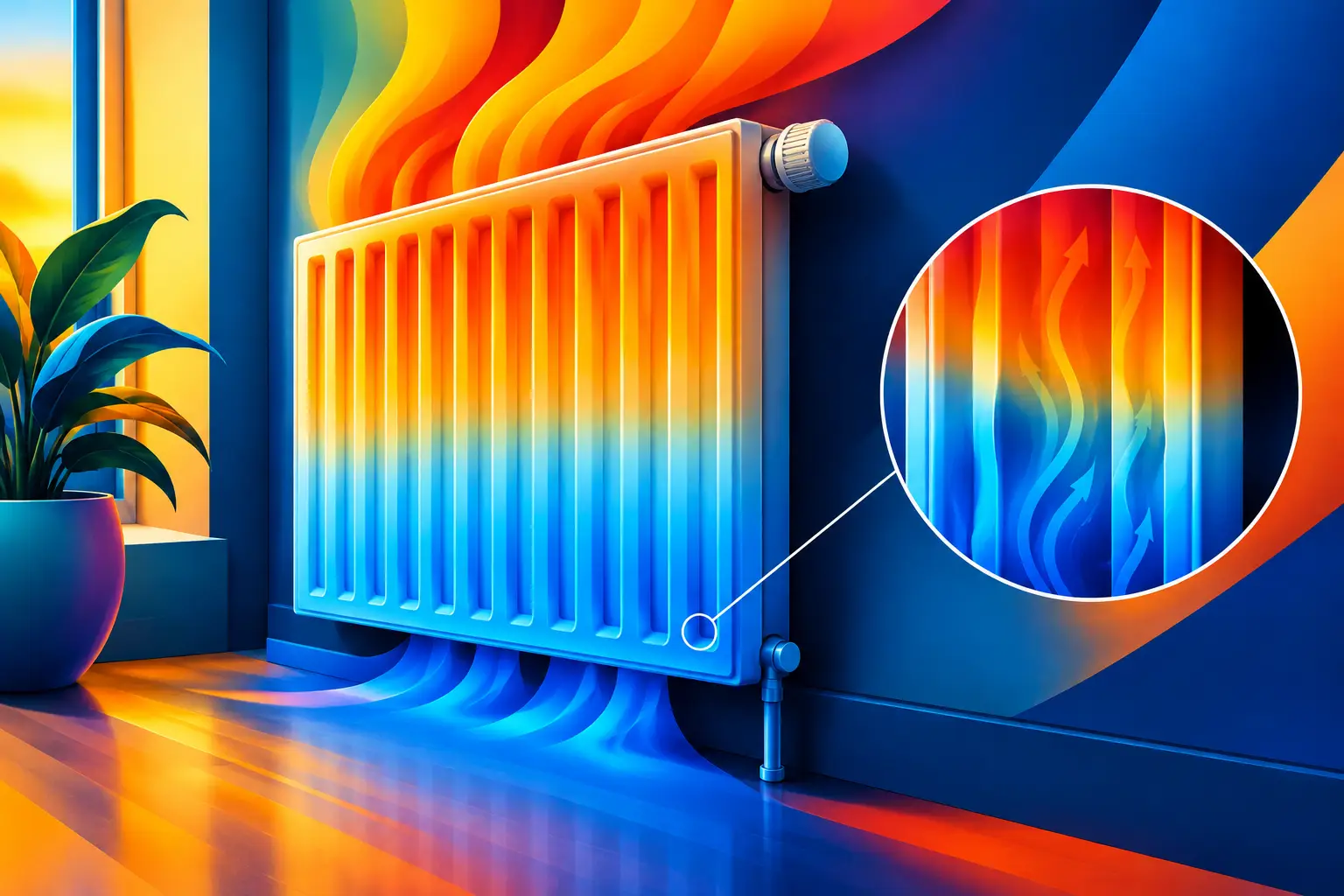
Why Radiators Are Cold at the Bottom in Your Home
Radiators cold at bottom can point to sludge, low flow or a valve fault. Learn safe checks, when bleeding helps and when to call a heating engineer today.
Read More
Worcester Bosch Boiler Review for Homeowners
Our Worcester Bosch boiler review explains reliability, efficiency, costs and warranty options, helping South Coast homeowners choose with confidence now.
Read More
Vaillant Boiler Review for UK Homeowners
Our Vaillant boiler review covers reliability, efficiency, warranties and model choice, helping you decide if one suits your own home, needs and budget.
Read More